Electric or Gas in 2026: What Should You Choose?
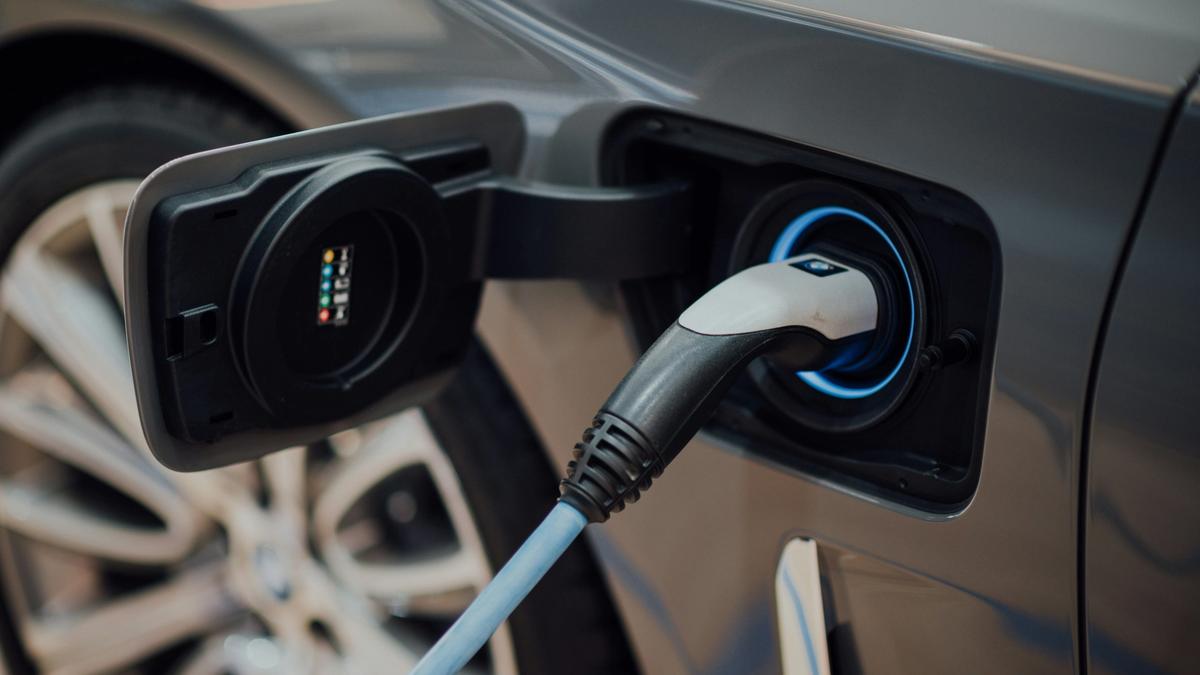
Mike from Austin bought a Tesla Model 3 six months ago. What surprised him most wasn't the acceleration or the tech features - it was his electricity bill. It barely changed, even though he's now "refueling" at home every night. That's the kind of real-world insight that makes people rethink what they know about EV economics.
Let's talk money
Everyone gets stuck on the price tag. $45,000-55,000 for a new electric vehicle - that's steep. Brad, a software engineer from Phoenix, spent weeks convincing his wife that a Honda Accord at $30,000 made more sense. Then he actually ran the numbers.
Here's the math. Home charging costs $0.04-0.06 per mile. Gas runs $0.12-0.15 per mile. For typical driving, that's $800-1,200 saved annually on fuel alone. Then there's maintenance. EVs don't need oil changes. Brake pads last longer thanks to regenerative braking. Overall, maintenance costs run 30-40% lower.
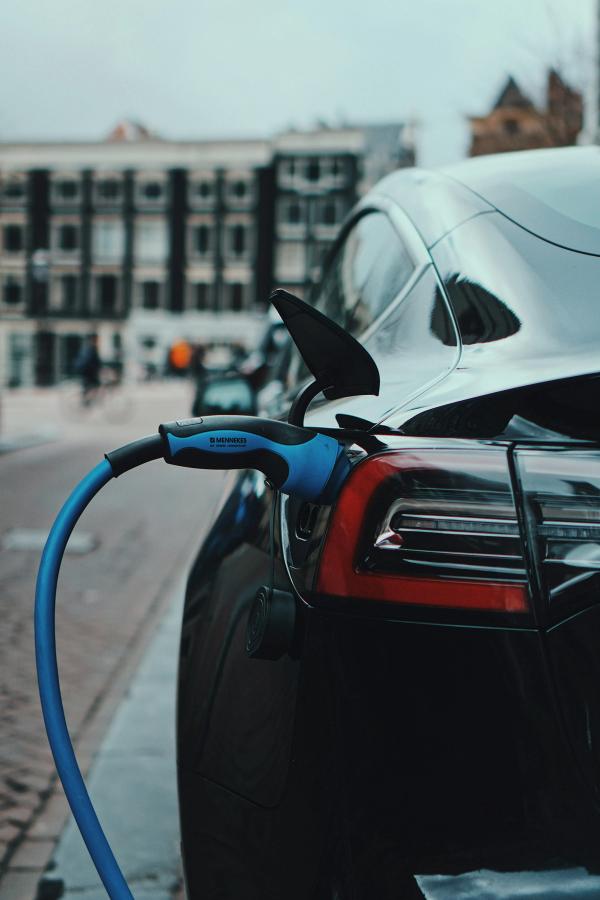
Brad calculated the five-year total cost of ownership and the gap nearly disappeared.
Yes, installing a home charging station adds $500-2,000 upfront. But federal and state incentives offer up to $1,000 toward installation, so the actual cost is more manageable.
Charging infrastructure - it's actually everywhere now
Back in 2019, "where do I charge?" was a legitimate concern. Fast forward to 2026, and the US has over 140,000 public charging stations. The Tesla Supercharger network alone covers 50,000+ locations. Modern fast chargers deliver 80% charge in 20-30 minutes - about the time it takes to grab coffee and stretch your legs.
Here's the interesting part - most EV owners rarely use public chargers. 80% of charging happens at home. Sarah, a marketing director in Denver, points out that she hasn't visited a "gas station" in months. Plug in overnight, wake up to a full battery. Simple.
Range anxiety - problem solved
James, a sales manager who drives for client meetings, was skeptical about range. "What if I run out?" The data tells a different story. The average American drives 40 miles per day. Meanwhile, modern EVs deliver 250-350 miles per charge, with premium models exceeding 400 miles.
James eventually bought a Rivian. He can go a full week between charges without even thinking about it.
Not sure which car to choose? Take our quiz and find out!
Government incentives - significant savings
The federal government offers up to $7,500 in tax credits for new EVs. States like California and Colorado add another $1,000-5,000 on top. Some states also grant HOV lane access for EV drivers - a huge time-saver during rush hour.
The used EV market has matured too. After the sharp depreciation in 2023, prices stabilized in 2025-2026. Quality used EVs now sell for $25,000-35,000. Battery warranties typically cover 8 years or 100,000 miles, which reduces long-term risk considerably.
Gas cars are on the way out
California banned the sale of new gasoline vehicles starting in 2035. Twelve more states adopted similar plans. The federal goal targets 50% of new vehicle sales being electric by 2030. This regulatory shift will likely accelerate depreciation for traditional gas vehicles. Worth considering when calculating resale value.
Who should buy an EV
EVs make perfect sense for daily commutes under 50 miles, especially for homeowners with garage access. Lisa and her husband bought an EV for city driving and kept their Suburban for long family road trips. The two-car strategy works exceptionally well.
Living in a state with strong incentives? Even better.
Who should wait
Weekly trips over 500 miles without predictable routes? Still challenging. Renting an apartment without dedicated parking? Difficult to manage. Parking on the street in Minnesota winters? Cold weather significantly reduces range, creating real inconvenience.
The bottom line is that EVs aren't inherently better or worse than gas vehicles - they're different. The question isn't whether EVs are good. The question is whether an EV fits your specific lifestyle and driving patterns.