Honda CR-V Hybrid Now Over 50% of Sales — America's Best-Selling SUV Goes Mostly Hybrid
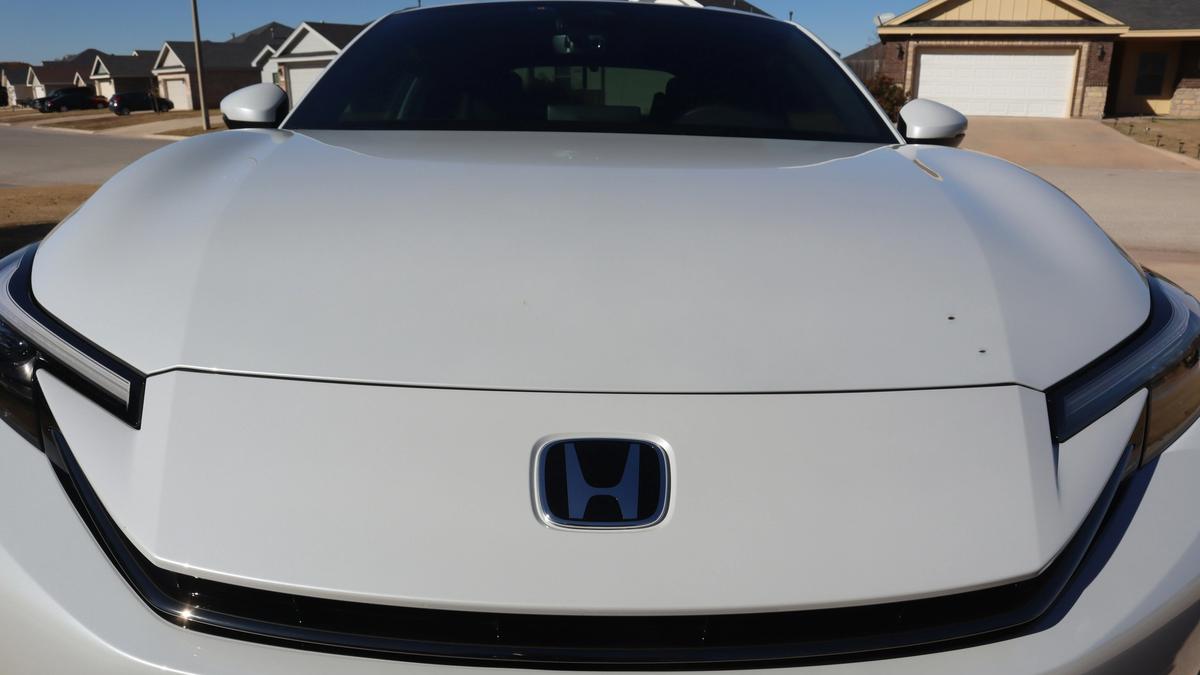
Honda's CR-V has quietly proven what automakers are still debating: Americans will choose hybrids when they deliver more power, better fuel economy, and don't cost significantly more than gas versions. Hybrids now represent over 50% of CR-V sales, a milestone that reflects a fundamental shift in how buyers think about fuel efficiency.
The CR-V isn't just Honda's best-seller. It's been America's best-selling compact crossover for 28 years straight, and it surpassed 400,000 units sold in 2025 — an all-time record for the model. The fact that more than half of those buyers chose the hybrid version tells you everything about where the market is heading.
The Numbers Don't Lie
The CR-V has been Honda's best-selling vehicle every year since 2017, and the hybrid's dominance within the lineup is accelerating. Honda hybrids now represent 30% of all Honda brand sales, led primarily by the CR-V Hybrid's success.
The 2026 CR-V lineup includes four hybrid trims — Sport Hybrid, the new TrailSport Hybrid, Sport-L Hybrid, and Sport Touring Hybrid — plus three turbocharged gas models. Buyers are choosing hybrids positioned at the top of the lineup despite higher prices, with the hybrid starting at $37,080 compared to $30,920 for the base gas model.
That $6,160 price difference buys you more than just fuel efficiency. The CR-V Hybrid produces 204 horsepower compared to 190 hp in the gas version, delivers 40 mpg city and 34 highway (all-wheel-drive models get 38 city/37 combined), and offers the same cargo space and features as gas models. There's no compromise.
TrailSport Hybrid Brings Rugged Style
For 2026, Honda added the TrailSport Hybrid trim, combining off-road-inspired design with hybrid efficiency. Priced at $38,800, the TrailSport features all-terrain tires, revised front-end styling, gray-painted wheels, and black exterior accents. It delivers 40 mpg city while offering the rugged aesthetic buyers want.
Jessika Laudermilk, Honda's assistant vice president of National Auto Sales, explained the appeal: "Our best-selling Honda CR-V is now even more of an industry benchmark with the addition of a rugged new TrailSport model, which has proven to be incredibly popular on our light trucks. The combination of rugged design elements and capabilities, incredible on-road dynamics and hybrid powertrain makes the Honda CR-V a more compelling SUV than ever before."
TrailSport trims have already proven popular on Honda's larger vehicles, representing 20% of combined Passport, Pilot, and Ridgeline sales. Bringing that styling to the CR-V Hybrid expands the appeal to buyers who want both capability and efficiency.
Why Hybrids Are Winning
The CR-V Hybrid's success isn't an accident. Honda got the formula right: more power, better fuel economy, no major compromises, and a reasonable price premium. At 15,000 miles per year, a front-wheel-drive CR-V Hybrid uses 10 fewer gallons per month than the gas version. At $3 per gallon, that's $30 monthly savings, or $360 annually.
Over a typical five-year ownership period, those fuel savings nearly offset the hybrid's higher purchase price. Factor in higher resale values — the CR-V Hybrid holds value better than the gas version — and the financial case for choosing hybrid becomes compelling.
Read Also: Major Dealership Bankruptcies Leave 45,000 Customers Scrambling for Titles, Tags and Repairs
The CR-V Hybrid has won Car and Driver's 10Best Trucks and SUVs award seven times, a record for the segment. Buyers notice these accolades, but they're choosing the hybrid primarily because it makes practical sense. Better performance, lower fuel costs, and proven reliability create a combination that's hard to argue against.
The average new car costs nearly $50,000. The CR-V Hybrid delivers premium fuel economy and performance for $37,080, making it one of the most sensible choices in the compact SUV segment.
What This Means for the Market
The CR-V's hybrid-majority sales mix signals where the broader market is heading. While electric vehicles grab headlines and struggle with adoption, hybrids are quietly taking over. They require no charging infrastructure, no range anxiety, and no dramatic changes to how people use their vehicles. You fill up with gas like always, but you do it less often.
Honda's electrification strategy focuses heavily on hybrids rather than betting everything on full EVs. That approach is paying off as hybrid sales climb while EV sales growth slows. Americans want electrification benefits without the inconvenience, and hybrids deliver exactly that.
The CR-V Hybrid proves the formula works. Over 50% of buyers choosing hybrid isn't a fluke — it's a mandate.