Volvo Recalls 40,000 Electric SUVs: "I'm Afraid to Charge in My Garage"
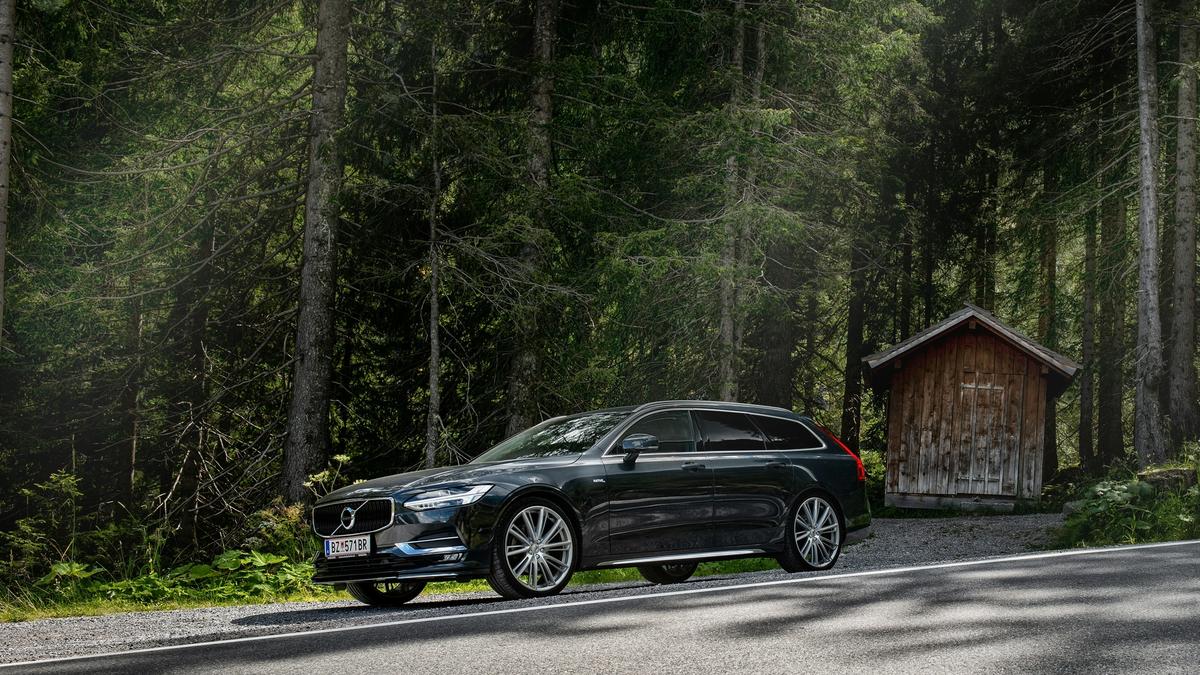
Sarah Morrison bought her brand-new Volvo EX30 in January, excited to join the electric revolution with a car from a company famous for safety. Three weeks later, she got a letter telling her the battery might catch fire. Now she charges her $36,000 SUV outside in Seattle rain, limiting it to 70% capacity, and loses sleep wondering if her car will burn down while she's inside.
Not sure which car to choose? Take our quiz and find out!
"I chose Volvo because they invented the three-point seatbelt and gave it away free to save lives," Sarah said. "And now they're telling me not to park near my house because the battery could overheat and start a fire? That's not the Volvo I thought I was buying."
She's one of 40,323 EX30 owners worldwide dealing with Volvo's massive battery recall announced February 23, 2026. The Swedish automaker—majority-owned by China's Geely—confirmed that high-voltage battery modules in Single-Motor Extended Range and Twin-Motor Performance models can short-circuit and overheat under specific conditions. In rare cases, this could lead to fire.
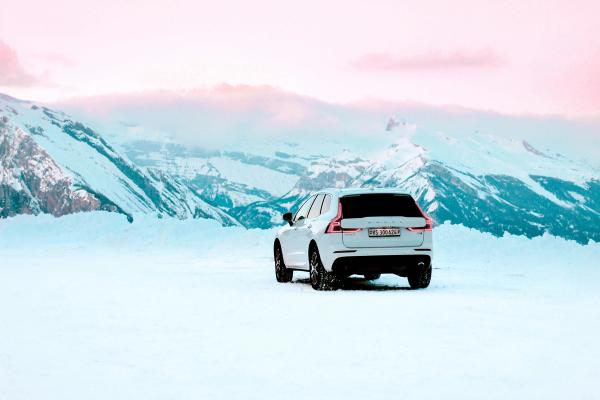
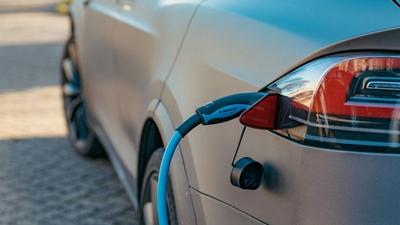
The recall instructions read like a worst-case scenario checklist. Park outside and away from buildings. Limit charging to 70%. Don't charge overnight indoors. Wait for a letter with repair instructions. Volvo will replace the faulty battery modules free of charge, but that doesn't help owners right now. The Single-Motor EX30 has a 261-mile range at full charge - which drops to about 183 miles when capped at 70%. For people with longer commutes, that 30% loss is brutal.
Marcus Chen was about to sign papers on an EX30 at a Denver dealership when his phone lit up with news alerts about the recall. He walked out without the car.
"I've got a 90-mile round-trip commute," Marcus said. "With the 70% charging limit, I'd be cutting it close every single day in winter. And parking outside in Colorado snow? No thanks. I bought a RAV4 Hybrid instead."
The timing couldn't be worse for Volvo. The EX30 was supposed to be the company's volume play—an affordable electric SUV priced to compete with cheaper Chinese brands flooding global markets. Industry analysts told Reuters the EX30 is crucial to Volvo's electric transition. Sam Fiorani, vice president at AutoForecast Solutions, put it bluntly: "The EX30 especially is very important to Volvo, so they have to get it right."
They didn't get it right. An EX30 caught fire at a dealership in Maceió, Brazil, in November 2025, months before the official recall. Volvo had already issued a December advisory telling owners in more than a dozen countries to limit charging and park away from structures. That should have been the warning sign. Instead, Volvo kept selling EX30s through January while working behind the scenes on a fix. Volvo's stock dropped 4% the day Reuters broke the recall story.
Andy Palmer, the industry veteran who launched the Nissan Leaf EV in 2010, said Volvo's reputation for safety makes this recall especially damaging. "Volvo can't afford a safety issue because that strikes at the heart of their brand," Palmer told Reuters. He's right. Volvo built its entire identity on safety. The company literally gifted the three-point seatbelt patent to the world in 1959 to save lives. Now they're telling 40,000 customers their batteries might catch fire.
The batteries came from Shandong Geely Sunwoda Power Battery Co., a joint venture backed by Volvo's parent company Geely. Replacing the faulty modules will cost an estimated $195 million, not counting logistics and repair costs. Volvo says the supplier fixed the manufacturing issue and future EX30s will use updated cells. That's great for future buyers. For current owners like Jennifer Park in Portland, it's cold comfort.
Jennifer got the December advisory and immediately started charging outside. She lives in an apartment complex with limited outdoor parking, so now she's in a daily scramble to find a spot away from the building.
"I'm losing 30% of my range and I can't park in my assigned spot," Jennifer said. "When I bought this car, I thought I was being responsible and helping the environment. Now I feel like I'm babysitting a ticking time bomb."
This isn't just a Volvo problem. Battery-related recalls are becoming disturbingly common across the EV industry. General Motors recalled every single Chevrolet Bolt ever made—142,000 vehicles from 2017 to 2022—because of battery fire risks. That recall cost GM nearly $2 billion and involved LG Chem batteries with torn anode tabs and folded separators. Hyundai recalled 90,000 Kona EVs for the same LG Chem battery defects. At least five Bolt fires were reported to regulators, including one that spread from the vehicle and burned down a house.
The pattern is clear. Lithium-ion batteries are temperamental. Manufacturing defects - even rare ones - can turn a parked car into a fire hazard. The difference is that when a gas car catches fire, it's usually because of an accident or mechanical failure while driving. EV battery fires can start when the car is parked and turned off, sometimes while charging in your garage overnight.
For buyers like Marcus in Denver who walked away from the EX30, the recall reinforces doubts about EV reliability. For current owners like Sarah in Seattle, it's a daily reminder that early adoption comes with risks. She's still driving her EX30 - carefully, nervously, always parked outside - while she waits for Volvo to mail her a repair appointment. "I wanted to love this car," Sarah said. "Instead, I'm counting down the days until they fix it so I can stop worrying about it burning down my house."
Volvo says owner notification letters went out February 23, with repairs to follow as parts become available. Until then, 40,000 people are living with charging limits, parking restrictions, and the knowledge that the company famous for safety sold them a car with a fire risk.
Sources:
- Reuters: https://www.claimsjournal.com/news/national/2026/02/24/335858.htm
- InsideEVs: https://insideevs.com/news/788072/volvo-recall-ex30-fire-risk/
- Electrek: https://electrek.co/2026/02/23/volvo-issues-major-recall-affecting-over-40000-electric-suvs/
- ArenaEV: https://www.arenaev.com/volvo_recalls_40000_ex30_electric_suvs_to_swap_out_battery_packs-news-5636.php
- NBC News (GM Bolt context): https://www.nbcnews.com/business/business-news/gm-s-2-billion-chevy-bolt-fire-recall-casts-shadow-n1277460