Buy This, Lose $74,000: Which Cars Hold Value and Which Disappear
Mike Sanders bought a 2021 Lucid Air Dream Edition for $120,490 in 2021. He loved everything about it - the 500-mile range, the spacious interior, the instant acceleration. Three years later he needed to sell it. The dealer offered him $46,000. He lost $74,490 in three years. That's $2,069 per month in depreciation alone, on top of his $1,800 monthly payment.
Sarah Chen bought a 2021 Toyota Tacoma for $38,000. Three years later, she sold it for $32,500. She lost $5,500 total. That's $152 per month in depreciation. Both owned their vehicles for the exact same time. One lost fourteen times more money than the other.
Depreciation is the single largest cost of vehicle ownership, bigger than gas, insurance, or maintenance combined. The average new vehicle loses 44.6% of its value after five years, according to iSeeCars analysis of over 800,000 used cars. But that average hides a brutal reality: some cars lose 70% of their value while others lose only 30%. Buy the wrong vehicle and you'll hemorrhage tens of thousands of dollars you'll never get back.
The winners are obvious. Toyota dominates with six models in the top ten for retained value. The Porsche 911 tops the list, retaining 98% of its value after three years - you can buy a $120,000 911, drive it for three years, and sell it for $117,600. The Honda Civic keeps 88% of its value. The Toyota 4Runner loses only 31.3% after five years. The Jeep Wrangler and Toyota Tacoma are legendary for resale strength.

Brand matters enormously. Toyota ranks first for depreciation resistance across three-year, five-year, and seven-year periods. Consumer Reports ranked it number one for predicted new-car reliability with a score of 66 out of 100. Lexus dominates the luxury segment, winning six categories in Kelley Blue Book's 2026 Best Resale Value Awards. Honda, Subaru, and Mazda all consistently land in the top five.
Not sure which car to choose? Take our quiz and find out!
The pattern is clear: reliable, practical vehicles from non-luxury brands hold value. Small, fuel-efficient models benefit from rising gas prices. Trucks, especially heavy-duty pickups like the Ford F-Series Super Duty and midsize trucks like the Tacoma, depreciate slowly. Hybrids are the sweet spot - they lose only about 40% of value after five years, far better than EVs.
The losers tell a different story. Luxury electric vehicles get destroyed. The Jaguar I-PACE loses 72.2% of its value in five years - the worst depreciation of any vehicle on the market. The BMW 7 Series drops 67.1%. Tesla Model S and Model X both lose 63%. The Cadillac Lyriq loses an astonishing 88% of its value.
Jennifer Park bought a 2021 Audi Q8 e-tron for $74,400. After five years it'll be worth $20,958 according to depreciation data—a 72% loss totaling $53,442. She'll lose almost $11,000 per year just in depreciation. If she'd bought a Toyota RAV4 Hybrid for $38,000 instead, it would be worth about $22,800 after five years—a $15,200 loss, or $3,040 per year. Same five years of ownership, $38,400 difference in depreciation.
The worst combination is luxury plus electric. Range Rover loses 86.5% of its value. The Maserati Ghibli drops 82%. The Infiniti QX60 and Cadillac Escalade both lose over 60%. These aren't cheap cars - you're buying a $100,000 luxury SUV and watching it become worth $20,000 while you're still making payments.
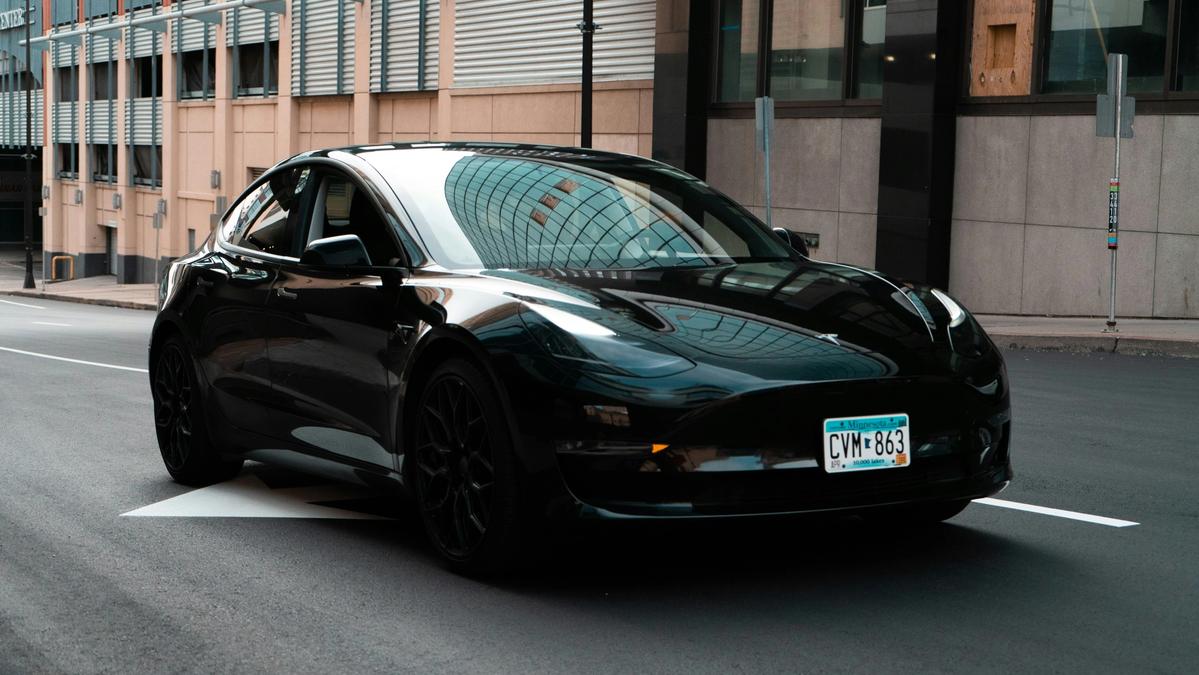
Electric vehicles lose 58.8% of their value after five years on average—dramatically worse than the 44.6% industry average. Only two EVs beat the average: Tesla Model 3 and Hyundai Kona Electric. Everything else gets crushed. Why? Technology moves too fast. A 2021 EV with 250-mile range and 50 kW charging feels ancient compared to a 2026 model with 350-mile range and 250 kW charging. Battery degradation concerns scare used buyers. Tesla's constant price cuts on new vehicles destroy used values overnight.
The off-lease tsunami makes it worse. Massive volumes of 2021-2023 EVs leased during the pandemic boom are hitting the market right now in 2026. Car and Driver reports used EV inventory is up 38% year-over-year. When supply explodes and demand stays flat, prices collapse. A $55,000 electric SUV bought in 2022 sells for $27,000-30,000 in 2026. The original buyer who financed it at $850 per month for 72 months now owes $42,000 on a vehicle worth $28,000. They're $14,000 underwater with three more years of payments.
Carlos Rodriguez in Phoenix bought a 2022 Mercedes EQS for $104,400. He financed $85,000 at 5.5% for 72 months - payment $1,340 per month. After three years he's paid $48,240. He still owes $51,100. The car is worth $41,121 according to depreciation projections. He's $10,000 underwater and he's been making payments for three years. If he sells, he needs to come up with $10,000 cash just to get out of the loan. If he keeps it, he'll pay another $48,240 over the next three years to own a car that'll be worth maybe $25,000 when it's paid off.
Compare that to Rachel Martinez who bought a 2022 Honda CR-V for $32,000. She financed $26,000 at 5.5% for 60 months - payment $495. After three years she's paid $17,820. She owes $10,815. The CR-V is worth $21,500. She's $10,685 ahead. She can sell it, pay off the loan, and walk away with over $10,000 cash. Same three years of ownership, $20,685 difference in outcome.
The depreciation gap creates opportunity for smart used buyers. If you want a luxury EV but can't afford $100,000 new, wait three years and buy it for $30,000-40,000. Let someone else absorb the depreciation hit. A 2021 Audi e-tron originally $74,400 sells for $21,000 in 2026. A 2021 Tesla Model S originally $75,000 sells for $28,000. You're buying $75,000 vehicles for 60-70% off.
But remember: these cars depreciated for a reason. Battery degradation is real. Technology feels dated. Maintenance costs on luxury vehicles are brutal even if you buy used. A $21,000 used Audi e-tron might seem like a deal until you need a $8,000 battery module replacement. There's no warranty. You're buying someone else's problem at a discount.
The safe play is simple: buy reliable brands, avoid luxury, avoid electric unless you're keeping it long-term, and choose practical over flashy. A Toyota, Honda, or Mazda will cost you less in depreciation than a BMW, Audi, or Mercedes even if the initial purchase price is similar. A truck or hybrid SUV will hold value better than a luxury sedan or electric vehicle.
Mike with his Lucid Air lost $74,490 in three years. Sarah with her Tacoma lost $5,500. They both drove their vehicles for the same time. One made a smart decision based on depreciation data. The other didn't. If you're buying new in 2026, make sure you're not Mike.
Sources: