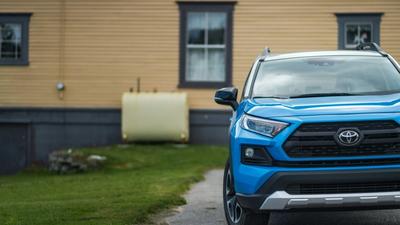
Dealer Markups Drop to 3-5% Over Invoice in 2026 — But Hidden Fees Replace MSRP Premiums
The days of $10,000 dealer markups are mostly over. Inventory has improved, demand has cooled, and dealers can no longer justify charging thousands over MSRP like they did during the pandemic. In 2026, most new cars are selling for 3-5% over invoice price. That sounds like good news for buyers, except dealers have found a new way to extract profit: mandatory accessories and "protection packages" that can add thousands to the price without technically being called a markup.
The Numbers Today
Across mainstream brands like Toyota, Honda, Ford, and Chevrolet, most models are selling around 3% over invoice. High-demand vehicles like the RAV4, Civic, or top-trim F-150 push closer to 5% over invoice. For most cars, that translates to $1,000 to $4,000 between invoice price and MSRP, assuming no dealer add-ons.
Jamer Heasley, who works in CarEdge Concierge negotiating deals for buyers, sees this regularly:
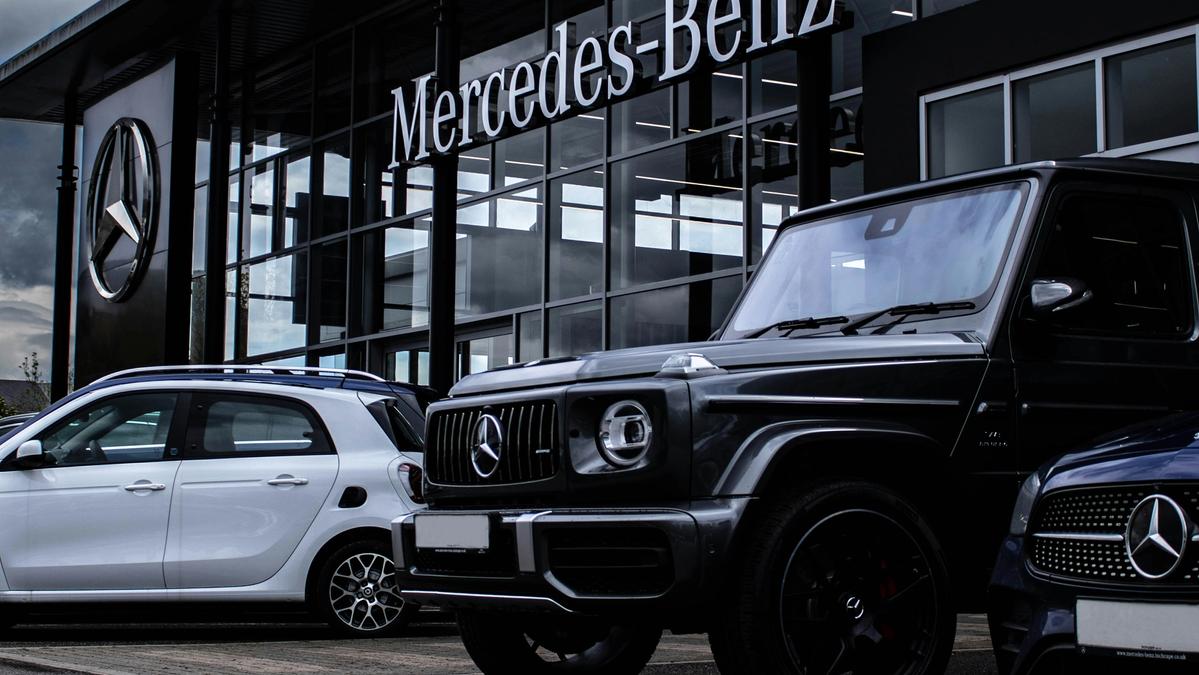
"It's common to see new cars priced $2,000 to $3,000 over MSRP. For luxury brands like Volvo, Mercedes-Benz, and BMW, 5% over invoice is common, and with higher prices, that often ends up in the $4,000 to $6,000 range."
Luxury and sports cars carry bigger dollar amounts simply because the base prices are higher. A 5% markup on an $80,000 vehicle is $4,000. On a $30,000 car, it's $1,500. The percentage might be similar, but the absolute dollars add up fast on premium models.
The New Trick: Mandatory Add-Ons
Improved inventory made it harder for dealers to justify charging over MSRP. So some dealers got creative. They stopped advertising markups and started bundling thousands of dollars in "mandatory" accessories into every sale.
Real examples from recent deals show the pattern. A Toyota RAV4 Hybrid in Seattle had dealers quoting anywhere from MSRP with a $700 "security package" to MSRP plus $4,000 in various add-ons. A Honda CR-V Hybrid in California had one dealer offering a $1,500 "discount" only to add $5,000 in accessories, completely negating the savings.
When buyers questioned the accessories, dealers responded: "We aren't charging a markup." Technically true. But $5,000 in overpriced paint protection and fabric coating accomplishes the same thing.
Ray Shefska, CarEdge co-founder and former dealer insider, explains the tactic:
"Just because they CAN charge it doesn't mean you should pay it. There's always another dealer."
When You Have Leverage
Your negotiating power depends entirely on supply and demand. A useful metric is Market Day Supply (MDS), which measures how long current inventory would last at the current sales pace. A car with 90+ days of supply means dealers are sitting on inventory and need to move units. You hold the cards.
A car with 20 days of supply? The dealer has the advantage. High-demand models sell fast, leaving little room to negotiate.
Read Also: Meet the 84-Year-Old Honda Engineer Behind Your Car's Safety Tech — And His Viral Anime Hair
Shefska notes:
"For the slowest-selling cars in America, it's common to negotiate well below MSRP. A great deal is anything close to invoice price, or for last year's models, even below the invoice price."
End-of-month, end-of-quarter, and late in the model year (September through November) are when dealers are most motivated to hit manufacturer bonus targets. That $2,000 markup in March might become an at-MSRP deal in October.
High-Demand Models Still Command Premiums
Not every vehicle follows the 3-5% rule. The Toyota RAV4 Prime, with limited allocation to each dealer, still sees $8,000 to $10,000 markups regularly. A $50,000 compact SUV pushed to nearly $60,000 before taxes isn't uncommon.
The difference is genuine scarcity. Toyota allocates very few Primes to each dealer, creating real competition among buyers. In those cases, dealers know enthusiasts will pay premiums regardless.
But even with scarce models, Ray's advice holds: expand your search radius instead of accepting extreme markups. Another dealer 100 miles away might have allocation and charge MSRP.
What Buyers Should Do
Check invoice prices and Market Day Supply before shopping. These numbers tell you exactly how much room a dealer has to negotiate. Walking into a dealership armed with data changes the entire conversation.
Email or call multiple dealers to compare quotes. Dealers hate this because it creates competition, but that's precisely why it works. When five dealers are competing for your business, someone will offer a better deal.
Write down your maximum price before you visit the dealership. If the deal doesn't hit that number, leave. The most powerful negotiation tool is your willingness to walk away.
Average transaction prices in 2026 hover around $48,800. Dealers are making money selling cars, even at reduced markups. Your job is to ensure they're not making excessive profit at your expense.