Hybrid Car Sales Surge 60% in 2026 While EVs Drop 30%: What Changed

Sarah from Portland test-drove a Tesla Model Y last November. Loved everything about it - the tech, the acceleration, the silence. Then she did the math without the $7,500 federal tax credit. $52,000 upfront, and she'd need to install a home charger for another $1,800. She walked into a Toyota dealership the next day and drove out with a RAV4 Hybrid for $38,000. Gets 40 mpg, fills up anywhere, and saved $14,000.
Not sure which car to choose? Take our quiz and find out!
Stories like Sarah's are playing out across America right now. Hybrid sales exploded 60% in January 2026 compared to last year. The Hyundai Palisade Hybrid became the fastest-selling vehicle in 2025 - dealers couldn't keep them on the lot for more than 14 days.
The perfect storm for hybrids
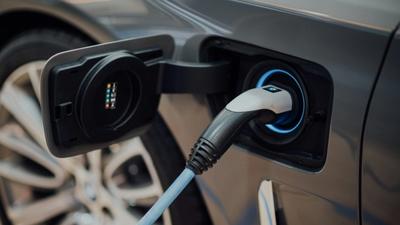
Three things happened at once. The $7,500 federal EV tax credit expired in late 2025. Gas prices stayed high enough to make fuel economy matter. And charging infrastructure, while improving, still makes people nervous about road trips.
Marcus, a sales manager in Atlanta, drives 35,000 miles a year for client meetings. He considered going full electric but couldn't justify the charging stops on his regular Dallas-Houston-Austin loop. A Honda Accord Hybrid solved everything - 50 mpg in the city, no range anxiety, and it's quick enough to make highway merging a non-issue.
The numbers tell the story. Electric vehicle sales dropped 30% in the fourth quarter of 2025. Their market share fell from 9.5% to 6.6%. Meanwhile, hybrids are projected to capture 17% of all new vehicle sales this year, up from about 13% last year. By 2034, analysts expect hybrids to account for 34% of the market.
Automakers are scrambling
Toyota saw this coming. The 2026 RAV4 is hybrid-only, following the same strategy they used with the Camry in 2025. No gas-only option. You want a RAV4, you're getting a hybrid whether you planned on it or not.
Honda just announced that 40% of Civic sales are now hybrids. The Civic Hybrid won North American Car of the Year for 2025 - 200 horsepower, 50 mpg city, and it drives like a regular car. That combination is exactly what buyers want right now.

Ford and GM, after investing billions in EV platforms, are pivoting hard. Ford publicly committed to extending hybrid availability well into the 2030s. They're hedging their bets - keep the EV development going, but give customers what they're actually buying today.
Who's buying hybrids
Jennifer in Denver bought a Kia Sportage Hybrid after her apartment complex installed exactly zero EV chargers despite promising them for two years. She parks on the street. A full EV would mean hunting for public chargers twice a week. The hybrid just works.
But here's the interesting part - hybrids are becoming an on-ramp to EVs, not a replacement. Studies show 33% of hybrid owners buy a full electric vehicle next time around. Seventy percent of hybrid households were considering an EV in late 2025, compared to just 57% of traditional gas car drivers.
Brian, a software engineer in Austin, explained it perfectly - "The hybrid got me comfortable with electric driving. Now when the gas engine kicks on, it actually annoys me. My next car will probably be full electric, but the hybrid made that transition feel normal instead of scary."
The reality check
Hybrids aren't cheaper than regular gas cars upfront. A Toyota Corolla Hybrid costs about $3,000 more than the base gas model. But fuel savings add up fast. At current gas prices, that premium pays itself back in about three years of typical driving.
The real advantage is flexibility. Emily drives her Hyundai Tucson Hybrid 15 miles to work daily on mostly electric power. Weekends, she drives three hours to visit family without worrying about charger locations or wait times. One car, zero compromises.
This isn't a temporary trend. As long as EV prices stay high and charging infrastructure remains spotty outside major metro areas, hybrids offer the most practical path to better fuel economy. They're profitable for manufacturers, they work for consumers, and they're actually moving the needle on emissions.
The hybrid boom of 2026 isn't killing the EV dream. It's just acknowledging that for most Americans right now, a car that does both is better than a car that only does one.