
Synthesized Ford's EV truck discontinuation narrative with industry contextFord Kills F-150 Lightning After 3 Years — "No Path to Profitability" for Electric Trucks
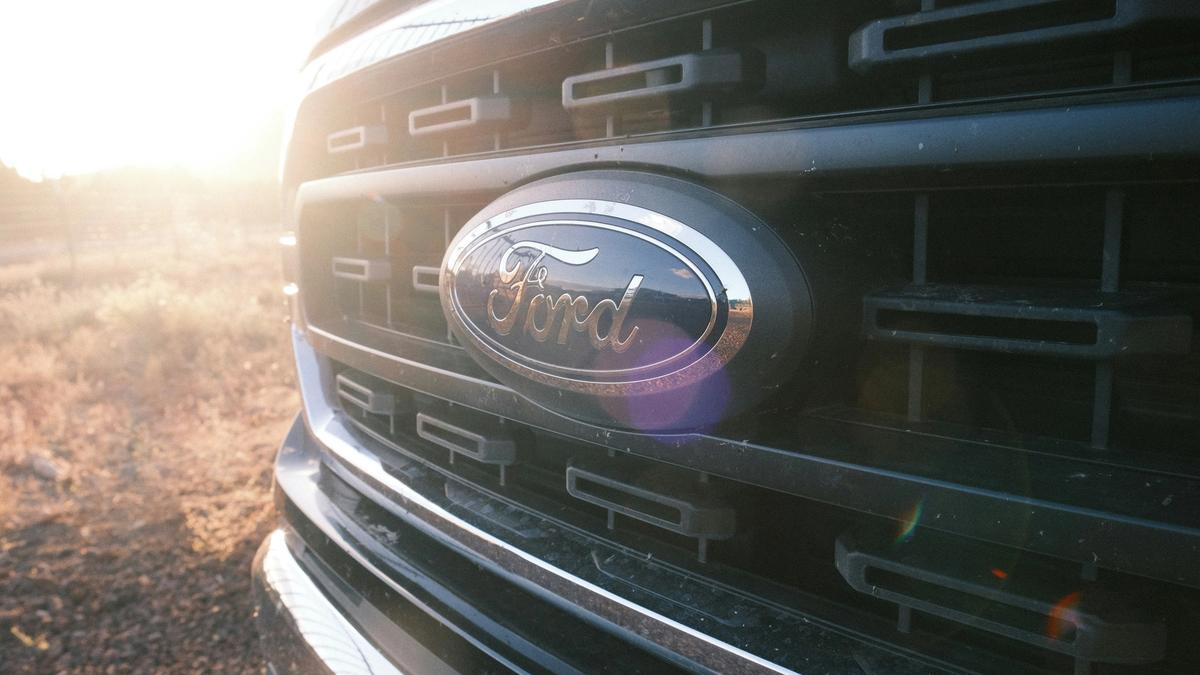
America's best-selling electric pickup is dead.
Ford announced on December 15, 2025 that it would end production of the F-150 Lightning, the electric version of the nation's best-selling vehicle. The decision came just three years after the Lightning launched to massive fanfare and a waitlist of over 200,000 reservations. Despite winning awards and outselling every other electric truck on the market, Ford lost money on every single Lightning it built.
The company is now pivoting to a gas-powered range extender version for the next generation, marking one of the automotive industry's most significant retreats from pure electric vehicles.
Read Also: Major Dealership Bankruptcies Leave 45,000 Customers Scrambling for Titles, Tags and Repairs
What Happened to the Lightning
Ford ended F-150 Lightning production in December 2025 with 147 days of unsold inventory sitting at dealerships across the country. That's enough Lightnings to keep selling through spring 2026 without building another truck. For context, a healthy inventory level is typically 60 days.
The numbers tell the story of unfulfilled promises. Ford originally teased a $40,000 starting price for the Lightning, positioning it as an affordable electric option for truck buyers. When actual production models arrived, prices ranged from $60,000 to over $90,000. Sales peaked at around 40,000 units per year, nowhere near Ford's initial plan to build 150,000 annually at the Rouge Electric Vehicle Center in Dearborn, Michigan.
Production had already been paused in October 2025 after a fire at a supplier's aluminum plant. When Ford restarted operations, it made a telling choice: prioritize aluminum supplies for the gas-powered F-150, which actually makes money. Workers from the Rouge Electric Vehicle Center were reassigned to the third shift at the Dearborn Truck Plant to build more profitable gas trucks.
The Lightning wasn't alone in its struggles. At Ford's Factory Zero plant in Detroit, where the company builds the Mustang Mach-E and other EVs, hundreds of workers were laid off in early 2026 as the company shifted $20 billion away from large electric vehicle programs.
Not sure which car to choose? Take our quiz and find out!
Why Ford Couldn't Make It Work
The F-150 Lightning was supposed to be Ford's slam dunk. It looked nearly identical to the gas-powered F-150, America's best-selling vehicle for over four decades. It shared the same platform, making production easier and cheaper. It won major awards including 2023 MotorTrend Truck of the Year, the North American Car of the Year (NACTOY) award, and Kelley Blue Book's Top Pick for 2024.
But economics and consumer behavior killed it.
Ford CEO Jim Farley has publicly stated that large EVs face "unresolvable" problems. The biggest issue is simple math: electric trucks cost significantly more to build than gas versions, but consumers won't pay enough extra to cover the difference. The gas-powered F-150 sells for $10,000 to $15,000 less than the Lightning while delivering higher profit margins. Every Lightning Ford sold lost the company money.
The towing problem didn't help. Like all electric trucks, the Lightning loses roughly 50% of its range when pulling a load. The current generation offers 230 to 320 miles of range in normal driving, but that drops to around 115 to 160 miles when towing — a deal-breaker for many truck buyers who actually use their vehicles for work.
The $7,500 federal EV tax credit expired in September 2025, removing both a sales incentive and regulatory pressure on automakers. Without the tax credit making EVs more affordable and without government mandates forcing production, Ford no longer had reasons to keep building unprofitable electric trucks.
Andrew Frick, president of Ford Blue and Model e divisions, explained the situation:
"The American consumer is speaking clearly and they want the benefits of electrification like instant torque and mobile power. But they also demand affordability."
Translation: people like the idea of electric trucks, but they're not willing to pay the premium Ford needs to charge.
What's Coming Next
Ford isn't giving up on electrified F-150s entirely. The next-generation Lightning, expected in the coming years, will be an EREV — Extended Range Electric Vehicle. That means it will have a gas-powered generator onboard to charge the battery while driving, similar to the approach Dodge is taking with its new Ramcharger.
The EREV version promises over 700 miles of total range compared to the current Lightning's 230 to 320 miles. It will drive on electric power most of the time but can fall back on gas when needed, eliminating range anxiety and the towing range problem that plagued the pure electric version.
Ford is also still planning a smaller, cheaper midsize electric pickup for 2027 production at its Louisville, Kentucky plant. The company believes smaller EVs with lower price points can succeed where the Lightning failed.
The Industry-Wide Retreat
Ford isn't alone in pulling back from electric trucks. Ram cancelled its plans for a fully electric truck and is instead focusing on the gas-range-extender Ramcharger. General Motors is cutting EV production across its lineup. The entire American automotive industry is in retreat from the aggressive EV targets automakers set just a few years ago.
The timing matters. Ford CEO Jim Farley has warned that potential tariffs on imported parts and materials "would have a huge impact on our industry with billions of dollars of industry profits wiped out." Building EVs requires massive battery imports and specialized components, many sourced internationally. Rising costs from tariffs would make already unprofitable electric trucks even worse financially.
The shift represents a major strategic reversal for an industry that, as recently as 2022, was racing to electrify every vehicle in its lineup. Now Ford, GM, and Ram are all betting that hybrids and range-extended electric vehicles — not pure EVs — are what American truck buyers actually want.
For the workers at Ford's electric vehicle plants, the message is clear. The Rouge Electric Vehicle Center employees who built Lightnings are now building gas F-150s on the third shift. Factory Zero workers face layoffs. The future of electric vehicle manufacturing in America looks a lot less certain than it did three years ago when the Lightning launched to massive hype and six-figure reservation lists.
The F-150 Lightning was the best-selling electric truck in America for most of its short life. It just wasn't good enough to survive.