BMW Admits Heated Seat Subscription Was a Mistake — But Other Automakers Double Down
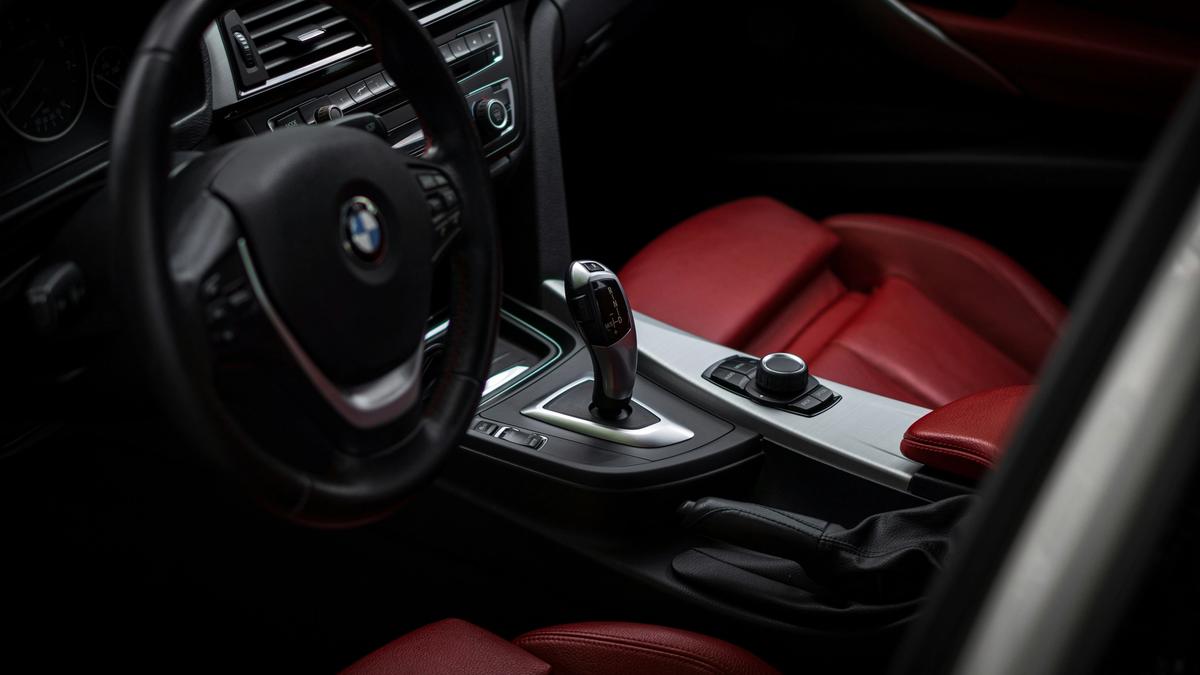
BMW tried to charge drivers $18 per month to unlock heated seats already installed in their cars. The backlash was swift and brutal. The automaker has now admitted the subscription was a mistake and stopped offering it. But the broader trend of charging monthly fees for car features isn't going away — it's accelerating.
The heated seat subscription became a lightning rod for customer anger in 2022. BMW offered drivers in markets like the UK, Germany, and South Korea the option to pay roughly $18 per month, $180 per year, or $415 for unlimited access to activate heating elements already built into their seats. The hardware was there. BMW just locked it behind a paywall.
Why BMW Backed Down
Pieter Nota, BMW's board member for sales and marketing, told Autocar the company won't offer heated seats by subscription anymore. "What we won't do anymore … is offer seat heating by this way," he said, acknowledging that customer response drove the decision.
Alexandra Landers, BMW's head of product communications, was more direct: introducing the heated seat subscription "was probably not the best way to start with it."
The business reason for backing down is simple: over 90% of BMW buyers in the United States already order heated seats when purchasing their vehicles. Building the infrastructure for a subscription service made no sense when nearly everyone just buys the feature outright anyway.
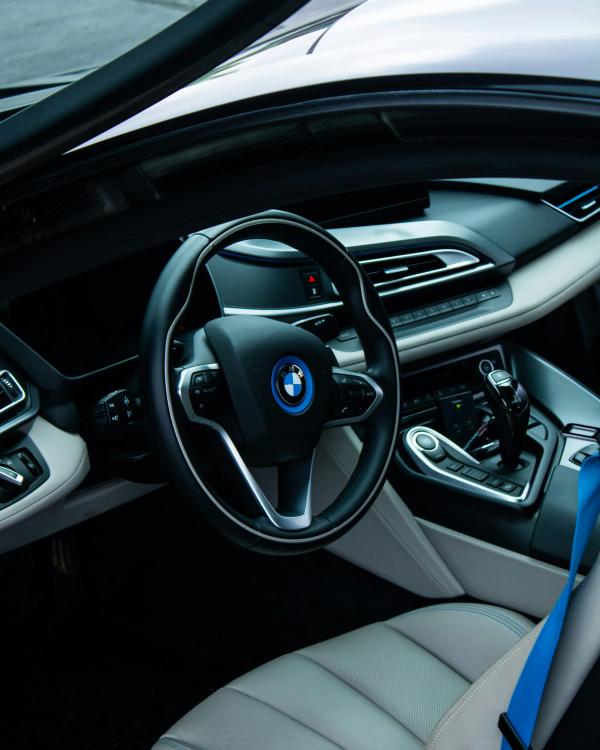
But BMW clarified it won't offer heated seat subscriptions specifically in the US market. The company released a statement saying American BMW buyers "demand a high level of equipment in their vehicles" and that heated seats "are ordered on over 90% of the BMWs sold in the USA."
Translation: Americans will pay for heated seats upfront, so there's no market for monthly subscriptions. In other countries where buyers are more price-sensitive at purchase, the subscription remains available.
Subscriptions Aren't Dead
While heated seats are out, BMW is doubling down on software-based subscriptions. Nota explained that the company is "focusing with those 'functions on demand' on software and service-related products, like driving assistance and parking assistance, which you can add later after purchasing the car, or for certain functions that require data transmission."
Read Also: Meet the 84-Year-Old Honda Engineer Behind Your Car's Safety Tech — And His Viral Anime Hair
BMW argues there's a difference between hardware features like heated seats and software features that require cloud services, data processing, and ongoing updates. The company believes customers will accept subscriptions for digital features that cost BMW money to operate long-term.
Current BMW subscription offerings in the US include BMW Drive Recorder (a dash-cam function using existing driver-assist cameras), remote start, and various driver assistance packages. The company contends these services require ongoing infrastructure costs that justify monthly fees.
Other Automakers Push Forward
BMW isn't alone in testing subscription limits. Tesla eliminated the option to purchase Full Self-Driving outright in February 2026, forcing all customers into a $99 monthly subscription. Even buyers who might keep their Tesla for ten years and pay $11,880 in subscription fees have no choice — it's subscribe or go without.
Mercedes-Benz publicly criticized BMW's approach while quietly offering its own subscriptions. Magnus Ostberg, Mercedes' Chief Software Officer, told Top Gear the company provides a "luxury and holistic experience" without "nickeling and diming our customers." Yet Mercedes charges yearly fees to unlock additional performance in its EQ electric vehicles.
Volkswagen offers power upgrades by subscription on some EVs. Hyundai announced it's considering putting "Drift Mode" on the Ioniq 5 N behind a subscription paywall. Mazda keeps connected services locked behind annual fees even after hacking incidents and customer complaints.
The financial incentive is massive. Stellantis estimates it will earn €4 billion annually by 2026 from "monetizable connected cars," rising to €20 billion per year by the end of the decade. That's real money, and it's driving automaker strategy across the industry.
Why This Keeps Happening
Automakers see subscription revenue as the future. One-time purchases generate money once. Subscriptions generate recurring revenue forever, and Wall Street values that predictability far more than unpredictable equipment sales.
The logic goes like this: build the hardware into every car to simplify manufacturing, then let customers activate features as needed. Buyers who want something immediately can purchase lifetime access. Buyers who only need it occasionally can subscribe monthly. Everyone gets flexibility.
The problem is that customers see it differently. When you buy a $50,000 car with heated seats already installed, being asked to pay $18 monthly to turn them on feels like extortion. You already paid for the hardware when you bought the vehicle. Now the manufacturer wants to charge you again just to flip the switch.

BMW learned this lesson the hard way with heated seats. But the company and its competitors believe software subscriptions are different enough that customers will accept them.
What Comes Next
The subscription trend isn't reversing. It's expanding into areas where automakers think they can justify ongoing fees: advanced driver assistance, performance upgrades, navigation updates, remote services, and entertainment features.
The key battleground will be distinguishing between hardware already in the car and software that genuinely requires ongoing support. Heated seats crossed the line. Parking assist that uses cloud processing might not.
For buyers, the message is clear: check what features require subscriptions before purchasing. That $40,000 SUV might have heated seats, but activating them could cost $18 every month. The sticker price no longer tells the whole story.