
Car Repossessions Hit 1.73 Million — Subprime Delinquencies Reach 32-Year Record High at 6.5%
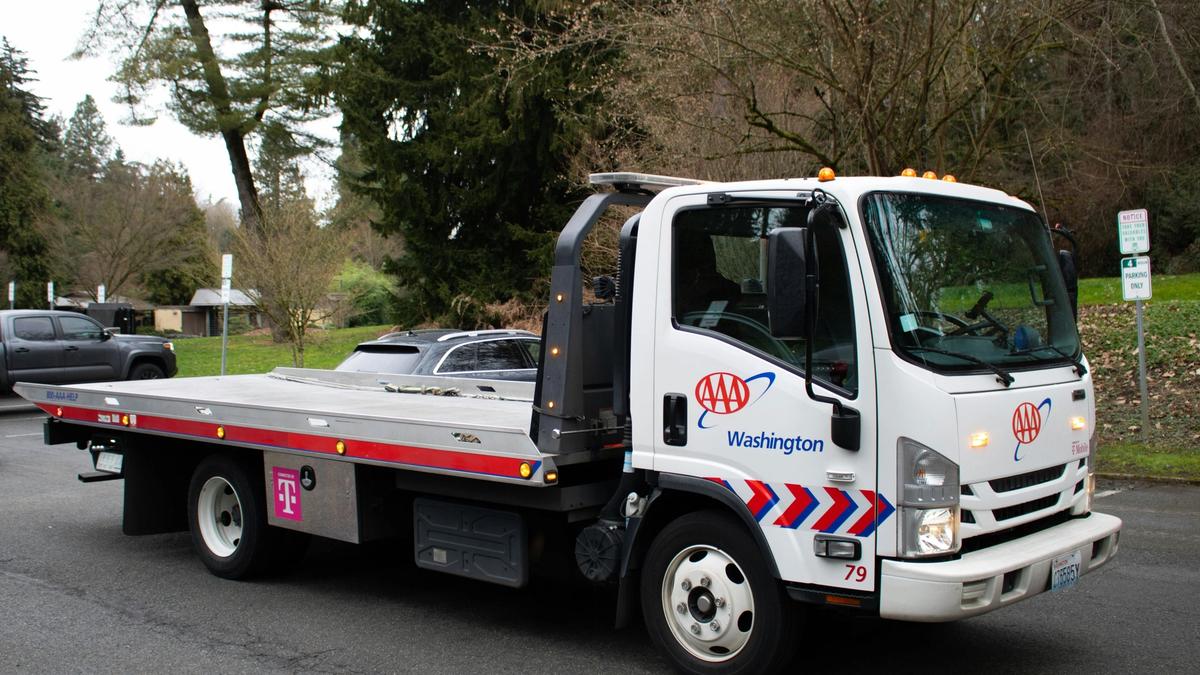
Repossession companies across America are overwhelmed. Vehicle seizures hit 1.73 million in 2024, the highest number since 2009, and the trend shows no signs of slowing. Subprime auto loan delinquencies reached 6.5% — a 32-year record — as borrowers who took out high-interest loans during the pandemic now face payments they can't afford.
Read Also: Trump's 25% Car Tariffs Push Prices Up $4,000-$6,000 — Supreme Court Rules Tariffs Unconstitutional, $20B Refunds Coming
George Badeen, president of Allied Finance Adjusters, described the situation bluntly: "Right now, we're overwhelmed with work." His company specializes in vehicle repossessions, and business is booming, especially among subprime borrowers with credit scores below 600.
The Subprime Crisis
For borrowers with good credit, everything looks fine. Prime borrowers maintain healthy, stable delinquency rates. But the subprime segment — those with lower credit scores who can least afford problems — is in crisis.
Over 6% of subprime auto loans are now more than 60 days delinquent, the highest level on record according to Fitch Ratings. That percentage has been climbing steadily since 2023, and through early 2026, the chart shows deep red for nearly four consecutive years.
When borrowers fall 60 or more days behind, lenders start serious repossession proceedings. The vehicle gets seized, sent to auction, and sold — often for far less than what's owed on the loan. The borrower loses transportation and takes a devastating credit hit. The lender absorbs a loss. Nobody wins.
Not sure which car to choose? Take our quiz and find out!
Why It's Happening Now
The loans failing today were originated between 2022 and 2024 — a perfect storm of terrible conditions. Vehicle prices were at record highs. Interest rates jumped as the Federal Reserve raised rates. Loan terms stretched to 72 or 84 months to make monthly payments barely affordable. And borrowers put little or nothing down, leaving them with zero equity from day one.
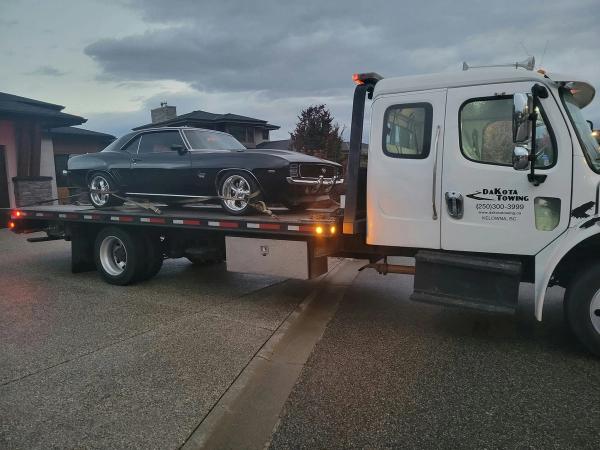
Average monthly payments hit $750, with 17.1% of car owners now paying $1,000 or more every month. When you're already living paycheck to paycheck and your car payment equals your rent, one unexpected expense tips you into default.
Many of these borrowers traded in vehicles with negative equity, rolling thousands in old debt into the new loan. From the moment they drove off the lot, they owed more than the car was worth.
The Pandemic Hangover
During the pandemic, stimulus checks and enhanced unemployment benefits kept people current on car payments. Lenders also became more lenient, allowing borrowers to defer payments or work out deals. Repossessions fell to historically low levels.
But when the free government money dried up and lenders tightened enforcement, delinquencies spiked. The buyers who barely qualified for loans in 2022-2023 are now losing their vehicles.
Repossessions jumped 23% in 2024 compared to 2023, and are up 14% compared to pre-pandemic 2019. The surge already happened — 2026 isn't seeing dramatic new increases, but the high level is persisting.
The Industry Response
Lenders spent 2025 tightening credit standards to slow the flow of risky new loans entering the system. That should prevent repossessions from accelerating beyond current levels, but it won't help borrowers already trapped in unaffordable loans.
Jonathan Smoke, Cox Automotive's chief economist, noted that while the overall loan portfolio is "relatively healthy," the crisis is concentrated in subprime. The total number of loans is actually down compared to before 2020, and the share of subprime loans has decreased. But for the subprime borrowers who do have loans, default rates are at levels not seen in three decades.
Higher Losses, Longer Timelines
Average charge-off amounts per defaulted loan increased in 2025. Larger financed amounts and longer loan terms mean borrowers have less equity when they default. Repossessed vehicles sell at auction for significantly less than the outstanding loan balance.
Read Also: Massachusetts Right to Repair Law Reshapes Auto Industry — Maine Follows, Federal Bill Next
Collections timelines are also extending. Borrowers struggle to cure late payments, pushing more accounts from 30-60 days past due into 90+ days delinquent and eventually into repossession. That means more staff time, higher costs, and more borrowers losing vehicles that might have been saved with earlier intervention.
What Comes Next
Most analysts expect 2026 to look similar to 2025 — high but stable repossession volumes rather than another dramatic spike. The loans most at risk were already originated years ago. Tighter lending standards now mean fewer new problem loans entering the pipeline.
But for the borrowers facing repossession, the numbers offer no comfort. Losing a vehicle means losing transportation to work, which often means losing the job, which makes financial recovery nearly impossible. It's a downward spiral that hits the people who can least afford it.
The auto loan crisis is concentrated among those already struggling. And for them, 32-year record highs aren't statistics — they're personal disasters.