
EV Charging Stations Fail 1 in 5 Attempts — Only 71% Success Rate Creates "Charging Anxiety"
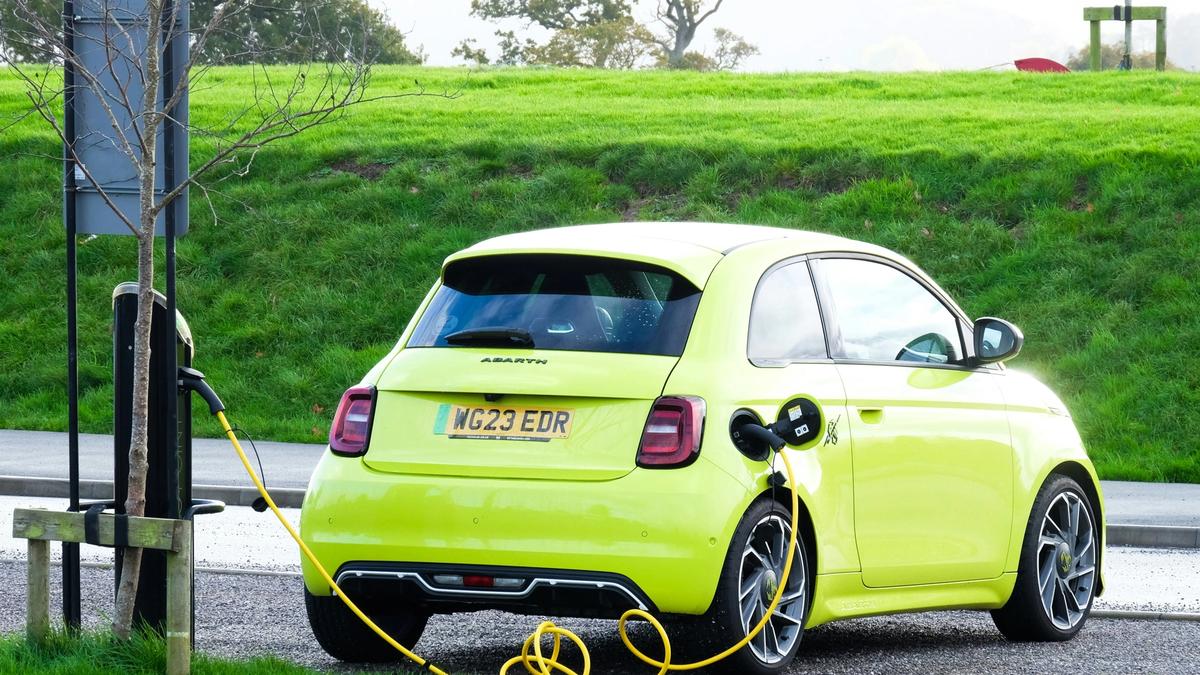
Public EV charging stations fail more often than most drivers realize. About one in five charging attempts doesn't work, leaving frustrated EV owners stranded or scrambling to find another station. In the US, charging stations average just 78% reliability, meaning 22% of the time you pull up to a charger, it's broken, offline, or unable to complete a charging session.
The First-Time Success Problem
ChargerHelp, a Los Angeles-based company that provides maintenance services for charging networks, analyzed real-world data and found the actual first-time charging success rate is just 71%. That means nearly three out of ten attempts to charge fail on the first try.
Networks claim 98-99% uptime in their marketing materials, but that number doesn't tell the full story. A charger might be "online" according to the network but still unable to deliver power due to software glitches, payment system failures, or hardware problems.
Read Also: Massachusetts Right to Repair Law Reshapes Auto Industry — Maine Follows, Federal Bill Next
Kameale Terry founded ChargerHelp specifically to address what she calls the "scandalous reliability problems" plaguing public EV charging. Her company has collected over 300 million data points to fuel machine learning algorithms that predict and prevent failures.
Co-founder Evette Ellis explained the core issue at Harvard Business School's climate conference: "
No one's maintaining these stations."
Unlike gas stations with attendants who notice and fix problems quickly, EV charging sites often sit unmaintained until a customer reports an issue.
Why This Kills EV Adoption
Harvard Business School research identified unreliable charging as a significant obstacle to increasing EV sales. The study found that EV owners experience "deep frustration" with charging infrastructure, including broken equipment, erratic pricing, and lack of locations.
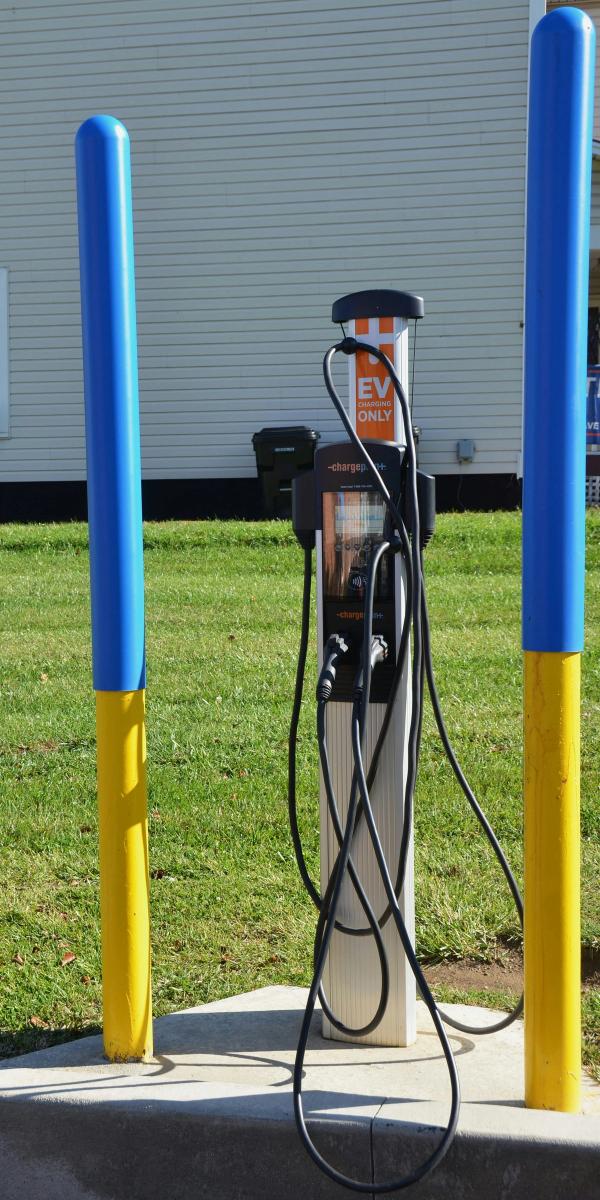
This creates "charging anxiety" — the fear that you won't be able to charge when you need to. Gas car drivers never worry about pulling up to a pump that doesn't work. EV drivers plan backup charging stops and leave earlier than necessary, just in case.
Read Also: Trump's 25% Car Tariffs Push Prices Up $4,000-$6,000 — Supreme Court Rules Tariffs Unconstitutional, $20B Refunds Coming
About one in five EV charging sessions hits a snag, according to the Harvard research. That's not just inconvenient — it's a deal-breaker for potential buyers considering whether to switch from gas to electric.
Reliability Is Improving
The good news: things are getting better. Most states now see charger reliability in the 90-95% range, up from roughly 85-92% a year ago. Better reliability reflects newer equipment, upgrades to existing stations, and operators learning how to run networks more effectively.
The industry is also changing its approach. In Q1 2025, operators added 721 new stations with 3,331 charging ports. In Q1 2026, only 617 stations were added but with 3,387 ports — fewer locations, more chargers per site. That means high-capacity charging hubs instead of scattered single chargers.
Power levels are rising too. Chargers rated 250 kW or higher now represent 67% of new installations, up from 55% in Q1 2025. High-power charging isn't premium anymore — it's the baseline standard.
Newer players are entering the market quickly. Ionna accounted for 8.2% of new ports in Q1 2026, while Red E contributed 7.8%. Six of the top 10 charging providers in Q1 2026 weren't even in the top 10 a year ago, showing how rapidly the competitive landscape is shifting.
The Long-Term Challenge
Charger performance degrades significantly between year one and year three of operation. Hardware failures, software bugs, and weather damage accumulate over time. That makes long-term reliability architecture more important than just buying cheap equipment upfront.
Not sure which car to choose? Take our quiz and find out!
ChargerHelp's "Reliability as a Service" model addresses this by providing ongoing maintenance and monitoring. The company's data-centric approach uses machine learning to predict failures before they happen, reducing the number of broken chargers drivers encounter.
The industry is moving from simple rollout to optimization. Adding more chargers doesn't help if half of them don't work. Network operators are finally realizing that maintenance and reliability matter more than raw charger counts.
What This Means for EV Buyers
For Americans considering an EV, charging reliability remains a real concern. The infrastructure is improving, but you're still rolling the dice every time you need a public charger. Home charging solves most of this — if you can charge overnight at home, public charger reliability matters less.
But for road trips, apartment dwellers, or anyone without home charging, the 78% reliability average means planning ahead. Check multiple charging apps, have backup locations ready, and allow extra time. The experience still isn't as seamless as pulling into any gas station and knowing the pump will work.
The charging network is getting better. Just not fast enough for the pace of EV adoption automakers are betting on.
Read Also

Auto Loan Rates Stuck Near 7% Despite Fed Cuts — Subprime Borrowers Pay 18.86%
Gas Prices Surge 44% to $4.50/Gallon in May 2026 — California Hits $6.15, Every State Sees Double-Digit Increases