
Gas Prices Surge 44% to $4.50/Gallon in May 2026 — California Hits $6.15, Every State Sees Double-Digit Increases
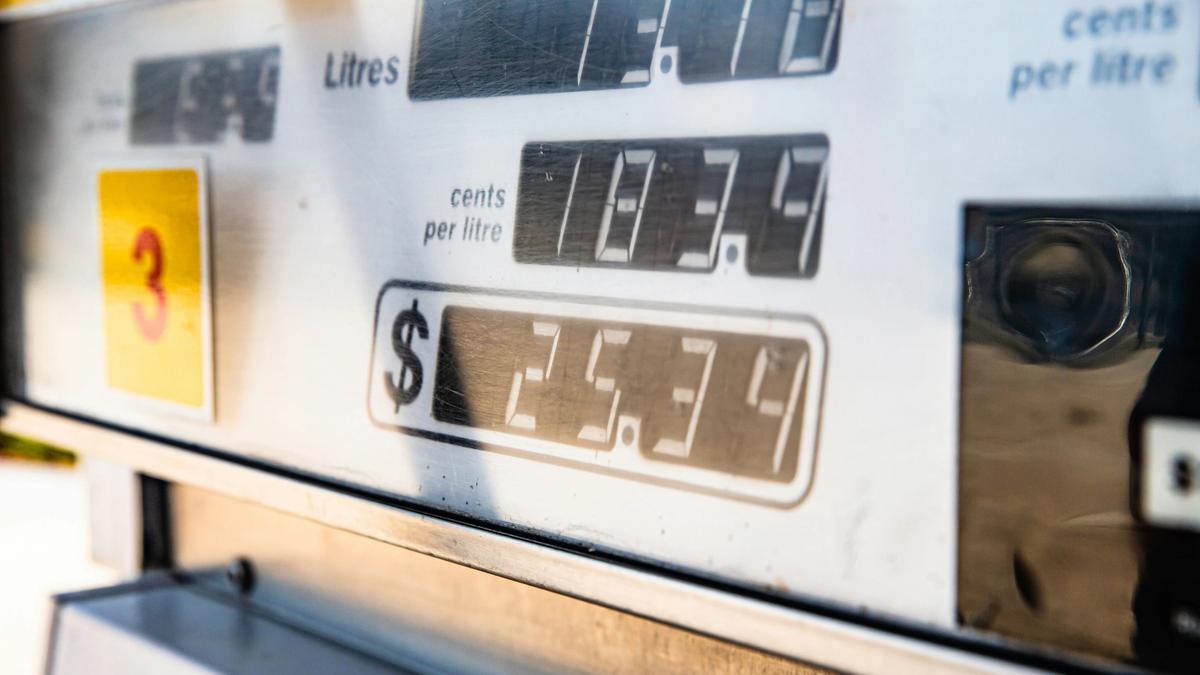
Gas prices exploded in early 2026. The national average hit $4.50 per gallon on May 12, up 43.6% from $3.14 one year earlier. Every single state saw double-digit increases, with California breaking $6 per gallon and 12 states experiencing jumps over 50%.
The Spike Started in Spring
January 2026 looked promising. The national average sat at $2.81 per gallon, the lowest point in months. February climbed to $2.91. March jumped to $3.64. Then April hit $4.10 — the sixth-highest monthly average since the government started tracking in 1992.
Not sure which car to choose? Take our quiz and find out!
That April number marked the first time monthly gas prices exceeded $4 per gallon since July 2022, when prices averaged $4.56 during the post-pandemic surge. The only other times monthly averages broke $4 were June and July 2008.
Where It Hurts Most
California leads the pain at $6.15 per gallon. Washington follows at $5.77, and Hawaii at $5.64. Six states now have averages above $5 per gallon.
Oklahoma offers the cheapest gas at $3.94, followed by Mississippi at $3.98 and Louisiana at $4.00. But even the lowest state prices are up significantly from a year ago — every state posted double-digit percentage increases.
The biggest year-over-year jumps hit the Midwest. Springfield, Ohio saw a 71% increase. Dayton, Ohio climbed 64.4%. Covington, Kentucky jumped 63%. These aren't coastal markets with expensive regulations — these are heartland cities where gas should be affordable.
What It Costs to Fill Up
Real-world impact shows up at the pump. A Toyota Tundra now costs $114.12 to fill from empty. The Jeep Grand Cherokee runs $87.19, the Chevy Tahoe $85.06, and the Toyota 4Runner $81.52.
Sedans fare better but still sting. The Nissan Altima costs $57.42 to fill, making it the most expensive sedan at the pump. The Hyundai Elantra, at the affordable end, still runs $43.95.
Multiply those numbers by two fill-ups per week for someone commuting 40 miles daily, and the monthly fuel bill becomes crushing. A Tundra owner spending $912 monthly on gas alone is paying more for fuel than many people pay for rent in some parts of the country.

Why Prices Jumped
Crude oil drives gasoline prices. Every $10 change in crude translates to roughly 25 cents at the pump over the following weeks. Crude prices climbed steadily through early 2026, pushing pump prices up with them.
Regional factors amplify the base cost. California's strict air quality regulations require special reformulated gasoline that costs more to produce. The state also has limited pipeline connections and relies on tanker shipments and a small number of refineries. When one major California refinery experiences an unplanned outage, state prices can jump 30-50 cents within days.
Read Also: Trump's 25% Car Tariffs Push Prices Up $4,000-$6,000 — Supreme Court Rules Tariffs Unconstitutional, $20B Refunds Coming
Consumer Reaction
Americans are worried. A recent survey found 25% of respondents are "extremely concerned" about gas costs — the highest percentage of extreme worry among those surveyed about any financial issue.
Matt Schulz, LendingTree's chief consumer finance analyst, offers practical advice:
"It doesn't make sense to drive across town to save 3 cents a gallon, but gas prices can vary quite a bit even in a small area. Driving an extra few blocks for a lower gas price can add up over a year, especially for drivers who fill up frequently."
He recommends using credit cards with gas station rewards to claw back some costs.
What's Next
The Energy Information Administration forecasts gas prices will average $3.88 per gallon for all of 2026, then drop to $3.62 in 2027. But that forecast was made before the spring surge, and prices in May already exceed the full-year projection.
The current $4.50 average is $1.50 higher than the six-year average since 2018. For drivers filling up twice weekly, that extra $1.50 per gallon translates to hundreds of dollars annually in additional costs.
Read Also: Massachusetts Right to Repair Law Reshapes Auto Industry — Maine Follows, Federal Bill Next
Gas prices remain unpredictable. Refinery outages, crude oil supply disruptions, geopolitical tensions, and hurricane season can all push prices higher. The spring 2026 surge caught many analysts off guard. Summer driving season could push prices even further.