Ford F-Series Dominates Pickup Market with 31% Share — Ram Surges 25% with Hemi V8 Return
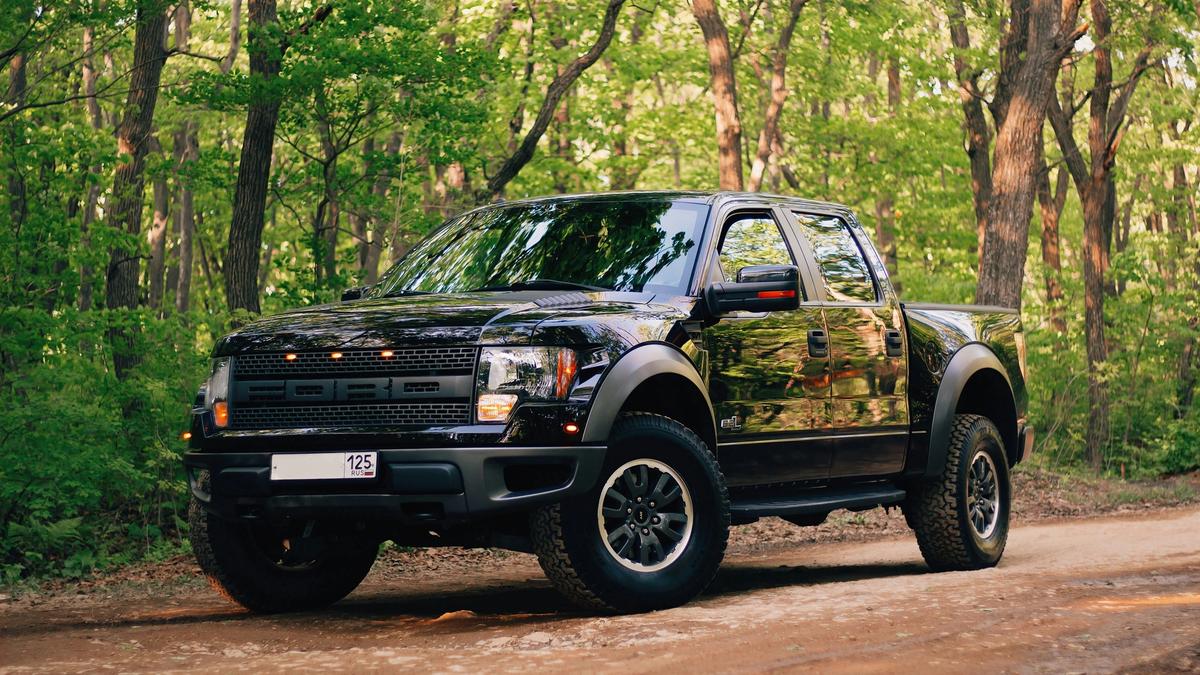
Ford's F-Series remains America's best-selling truck, but the competition just got interesting. In the first quarter of 2026, Ford moved 159,901 F-Series trucks, holding a commanding 31% share of the full-size pickup segment. Yet the real story is Ram, which surged 25% to post its best quarter since 2022 — fueled by the return of the Hemi V8 engine that enthusiasts demanded back.
The full-size truck segment contracted 4% overall to 504,377 units, reflecting broader market pressures from high prices, tariffs, and elevated interest rates. But within that shrinking pie, the competitive dynamics shifted dramatically.
Ford's Reign Continues, But Sales Slipped
The Ford F-Series has been America's best-selling truck since 1977 — a 49-year streak no competitor has matched. In 2025, Ford sold approximately 829,000 F-Series trucks across all variants. The F-Series line includes the light-duty F-150, heavy-duty Super Duty trucks, and the now-discontinued all-electric F-150 Lightning.
But Q1 2026 sales fell 16% compared to a year earlier. The primary culprit: an aluminum shortage. In September 2025, a fire at a Novelis aluminum plant disrupted supply. Novelis produces nearly 60% of the automotive aluminum sheet market, and Ford uses aluminum extensively in F-150 bodies. The shortage hit Ford harder than competitors who use less aluminum.
Despite the decline, Ford maintained its leadership position. The F-Series 31% segment share dwarfs individual competitors. Ford didn't comment specifically on the sales drop, but the aluminum supply chain disruption clearly impacted production.
Ram's Hemi-Powered Comeback
Ram Trucks delivered the quarter's biggest surprise. Sales jumped 25% to 98,425 units, claiming third place and a 20% segment share. It was Ram's first sales increase since 2023 and its best quarter since 2022.
The driver? The Hemi V8 returned. Ram had moved toward smaller engines and electrification, but truck buyers rebelled. They wanted the V8 rumble, the towing capability, and the traditional truck experience. Ram listened. The company relaunched the Hemi V8, brought back the high-performance TRX model, and reunited its SRT performance team.
Ram also got aggressive on value. The company introduced lower-priced packages to attract budget-conscious buyers and extended its industry-leading 10-year/100,000-mile warranty through 2026 models. Critics called the warranty a gimmick when Ram introduced it for 2025. The sales numbers suggest it's working.
GM's Combined Strength
General Motors plays a different game. Chevrolet Silverado sales remained flat at 127,412 units (25% share), while GMC Sierra slipped 3.9% to 74,319 units (15% share). Individually, neither matches Ford's F-Series. But combined, GM's full-size trucks totaled 204,425 units — exceeding Ford's single-model count.
Read Also: Meet the 84-Year-Old Honda Engineer Behind Your Car's Safety Tech — And His Viral Anime Hair
This reveals GM's portfolio strategy. By selling essentially the same truck under two brands (Silverado and Sierra share the T1 platform), GM captures both value-focused Chevrolet buyers and premium-oriented GMC customers. The combined 40% segment share gives GM the largest overall presence in full-size trucks, even if no single nameplate beats the F-Series.
GM weathered significant problems to post mostly flat results: 10-speed transmission issues, a 6.2L V8 recall, and 3.0L Duramax diesel thrust bearing problems. Resolving these reliability concerns helped stabilize the company's market position.
The Toyota Tundra Struggles
Toyota's Tundra remains a distant fifth, selling 34,616 units (down 2.6%, 7% share). Despite Toyota's reputation for reliability and the Tundra's solid engineering, American truck buyers remain loyal to domestic brands.
Interestingly, Toyota's Tacoma dominates the midsize truck segment, nearly matching Chevrolet's half-ton Silverado sales. The Tacoma's success shows Toyota can compete fiercely — just not in the full-size segment where Ford, Ram, and GM command loyalty built over decades.
Not sure which car to choose? Take our quiz and find out!
The Hybrid Truck Revolution
Hybrid trucks are gaining serious traction. Ford's F-150 Hybrid (marketed as PowerBoost) sold 12,904 units year-to-date in 2026, making it the best-selling large hybrid pickup in America. It outsold the Toyota Tundra Hybrid roughly 2-to-1.
The hybrid truck appeal is practical: better fuel economy without sacrificing capability. Truck buyers who tow and haul can't switch to small cars, but they can choose hybrid powertrains that improve mileage while maintaining towing capacity. As gas prices climb toward $4.50 per gallon, hybrid trucks become increasingly attractive.
Electric Trucks Stumble
The electric truck market remains tiny and troubled. Tesla Cybertruck led BEV truck sales with 5,000 deliveries. Rivian R1T moved 2,000 units, beating GM's electric trucks individually. The Silverado EV sold 1,406, Sierra EV 1,288. Ford's discontinued F-150 Lightning posted just 2,060 sales before production ended.
Read Also: EV Charging Stations Fail 1 in 5 Attempts — Only 71% Success Rate Creates "Charging Anxiety"
The numbers tell the story. After the EV tax credit ended, electric truck demand collapsed. Ford killed the F-150 Lightning. GM's Silverado EV and Hummer EV saw huge slumps. The all-electric Ram REV died before launch, replaced by the Ram Ramcharger EREV (extended-range electric with gas generator).
Total electric truck sales across all manufacturers barely exceeded 11,000 units in Q1 2026 — a rounding error compared to the 504,377 conventional full-size trucks sold. The electric truck revolution stalled, with buyers preferring hybrid powertrains that eliminate range anxiety.
Why Trucks Dominate America
Pickup trucks represent roughly one in five new vehicles sold in America. The segment's dominance has only strengthened as manufacturers expand lineups with hybrid, electric, and midsize options.
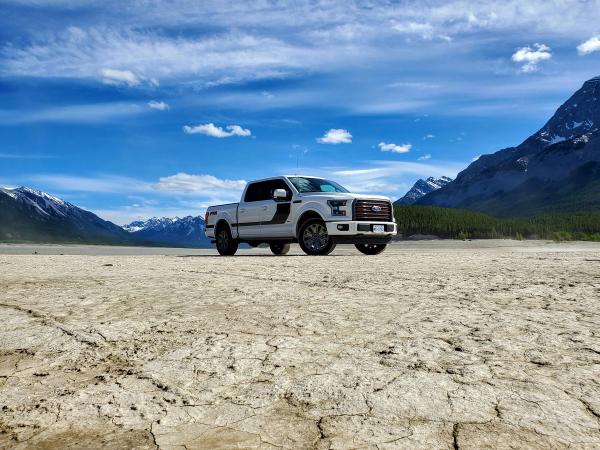
Trucks overtook traditional sedans because they offer flexibility and long-term value. The traditional work-truck buyer still drives volume — construction, small business, rural markets. But lifestyle buyers, fleet operators, and first-time truck owners have broadened the segment's appeal dramatically.
A pickup truck does everything: hauls cargo, tows trailers, handles off-road terrain, and serves as daily transportation. For buyers who want one vehicle that does it all, trucks make sense. That versatility, combined with American cultural affinity for trucks, keeps the segment growing even as overall vehicle sales soften.
The Competitive Outlook
Ford's leadership looks secure despite the aluminum-related stumble. Once supply normalizes, F-Series production should recover. The 49-year streak isn't ending soon.
Ram's momentum is the wildcard. If the Hemi V8 return and aggressive pricing continue attracting buyers, Ram could challenge Chevrolet for second place. The company's willingness to listen to customer demand — bringing back V8 power when competitors moved away — reveals smart market positioning.
GM's combined strength ensures relevance, but the dual-brand strategy means no single nameplate will likely overtake Ford. Toyota remains stuck in fifth, unable to crack domestic truck loyalty.
The full-size truck wars continue. But the lesson from Q1 2026 is clear: American truck buyers want power, capability, and value. The manufacturers who deliver those things win. Ram figured that out with the Hemi. The question is whether competitors will follow.