
Half of Buick Dealers Took Buyouts Rather Than Sell EVs — 1,000 Dealerships Gone

General Motors paid out nearly half of its Buick dealer network rather than force them to sell electric vehicles. Around 1,000 of Buick's 2,000 dealerships took buyouts between late 2023 and 2026, choosing to exit the brand entirely instead of investing over $300,000 in EV infrastructure they didn't believe would pay off.
The mass exodus reveals how badly automakers misjudged dealer willingness to go electric. Ford lost half its dealers to a similar program. Cadillac lost a third. Across the industry, family-owned dealerships that operated for decades chose to close their doors rather than bet their businesses on an EV future that never arrived.
The $300,000 Question
GM's offer to Buick dealers was straightforward: invest at least $300,000 in EV chargers, staff training, and specialized equipment to prepare for Buick's planned transition to a 100% electric brand by 2030, or take a buyout and exit. Nearly half chose the exit.
The investment requirement wasn't small. Dealers needed to install charging infrastructure, train technicians on high-voltage battery systems, purchase specialized diagnostic equipment, and reconfigure service bays. All for a brand that currently sells only gas-powered SUVs and had vague promises about future electric models.
A GM spokesperson explained the program: "This year we've given dealers who are not aligned with Buick's future to exit voluntarily in a respectful and structured way." Translation: if you don't want to spend hundreds of thousands on EVs we might build someday, here's money to walk away.
Many dealers did exactly that. The 1,000 Buick dealerships that took buyouts can still sell Chevrolet and GMC vehicles if they carry those brands. They just won't be Buick dealers anymore when — or if — GM actually builds electric Buicks.
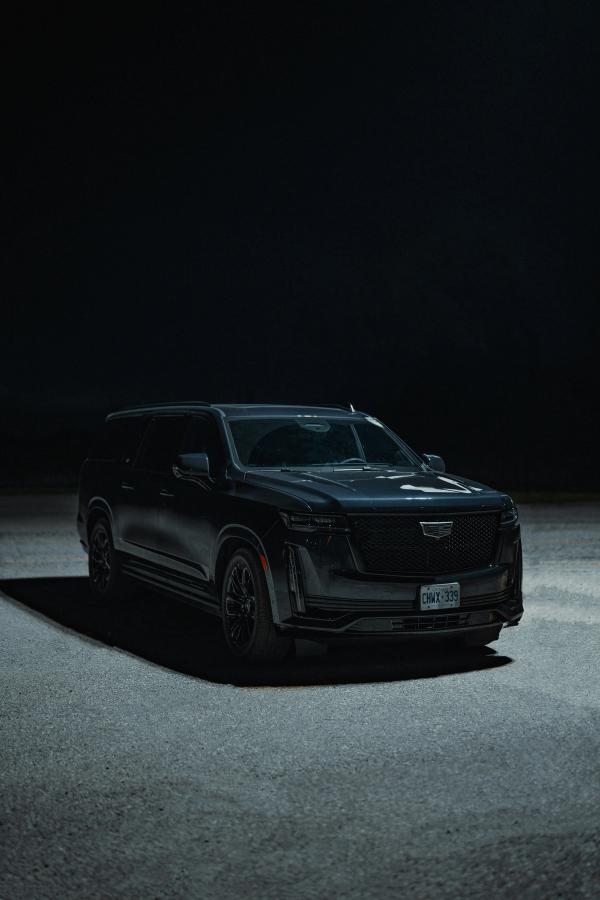
Ford Faced the Same Dealer Rebellion
Ford ran a nearly identical program and got similar results. The company required dealers to invest either $500,000 for "Certified" tier status or $1 million for "Elite" tier status to sell Ford's Model e electric vehicles for 2024-2026. The investment paid for DC fast chargers and EV-specific training and equipment.
Approximately 50% of Ford's roughly 3,800 dealers opted out entirely. Only 1,920 enrolled in the Model e program, and Ford later scaled back requirements after dealer backlash made it clear the original investment levels were dealbreakers.
Marin Gjaja, Ford's Model e chief customer officer, tried to spin the mass defection positively:
"We don't think it's fair to force them to go on the EV journey or force them into a buyout."
But the numbers don't lie — half of Ford's dealer network looked at the EV business case and said no thanks.
Cadillac Lost a Third of Its Dealers
Cadillac went through this pain earlier. The brand dropped from 875 dealers in early 2021 to 560 by late 2021 after offering buyouts to dealers unwilling to invest in EV infrastructure for the electric Lyriq and future models. That's a 36% reduction in the dealer network for GM's luxury brand.
The pattern across GM and Ford is identical: offer dealers a choice between massive upfront investment in EV infrastructure or a buyout, then watch a huge chunk of the network take the money and run.
Why Dealers Chose Exit Over EVs
The decision made financial sense. Dealers were being asked to invest $300,000 to over $1 million in infrastructure for vehicles that barely sell, require less service (no oil changes, fewer brake jobs, simpler drivetrains), and generate lower profit margins than gas vehicles.
Many of these were family-owned dealerships operating for decades. They watched EV sales projections collapse, saw manufacturers scaling back production, and listened to automaker executives admit EVs weren't profitable. Then GM and Ford asked them to bet their businesses on an electric future while simultaneously laying off EV factory workers and canceling EV programs.
The dealership owners weren't stupid. They took the buyouts.
The EV Retreat Continues
GM's dealer buyout program coincided with the company abandoning its target to build 400,000 EVs between 2022 and 2024, citing "low demand" and profitability concerns. The automaker reported an $8.5 billion loss in 2025, mostly from "EV-related charges" including cancelled programs and supplier settlements.
Production cuts followed. Factory Zero in Detroit laid off 1,145 workers in January 2026, cutting from two shifts to one. Cadillac Lyriq and Vistiq production was reduced at the Spring Hill, Tennessee plant in Q1-Q2 2026. The second shift at the Fairfax plant building the Chevy Bolt EV was delayed "indefinitely."

Ford reported a $19.5 billion writedown in Q4 2025, including $5.5 billion in cash effects.
Ford CFO John Lawler announced, "We are also slowing down several investments," confirming what dealers already knew: the EV push was over.
What Happens to Buick Now
Buick's plan to become a 100% electric brand by 2030 looks increasingly unrealistic when half the dealer network just walked away. The brand currently sells only gas-powered SUVs. It has no electric vehicles in production. And it just lost 1,000 of 2,000 dealerships that would have sold those future EVs.
The dealers who stayed are betting GM will either abandon the all-electric plan or push the timeline so far into the future it doesn't matter. The dealers who left are betting they made the right call avoiding a financial sinkhole.
Given GM's $8.5 billion loss, factory layoffs, and production cuts, the dealers who took buyouts are probably sleeping better at night.
Read Also
Synthesized Ford's EV truck discontinuation narrative with industry contextFord Kills F-150 Lightning After 3 Years — "No Path to Profitability" for Electric Trucks

CarCupid Goes Hollywood: Featured on Spike's Car Radio with Jerry Seinfeld This April